


Your eyes tell a story, but sagging lids or puffy bags can make you look tired even when you’re not. It’s a common issue as skin loses elasticity with age, sun exposure, or genetics. For those seeking a subtle lift, blepharoplasty in Dubai offers a targeted solution, combining surgical skill with the city’s renowned medical perks. This eyelid surgery trims excess skin and fat to open up your gaze. Let’s walk through it, from the details to deciding if it’s for you.
What Does Blepharoplasty Involve?
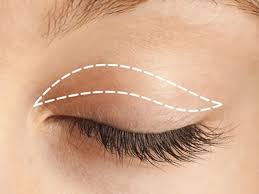
Blepharoplasty tweaks the eyelids to fix droopiness or puffiness. Upper blepharoplasty focuses on the top lids, removing loose skin that might hood your eyes or impair vision. Lower blepharoplasty tackles bags under the eyes by repositioning or removing fat and tightening skin. Sometimes both are done together for a balanced refresh.
It’s not about changing your eye shape drastically; it’s restorative, aiming for a natural, awake appearance. Surgeons consider your facial structure, ensuring results harmonize with your features. It’s popular among folks in their 30s and up, but younger people with hereditary issues go for it too. The procedure can even be functional, like when heavy lids block sight, potentially qualifying for insurance.
Why Opt for This Surgery in Dubai?
Dubai’s cosmetic scene is top-tier, drawing experts with global training and access to the latest tools. Clinics in areas like Jumeirah or Dubai Healthcare City boast accreditations from bodies like JCI, matching international standards. What stands out is the value: procedures cost 10,000-20,000 AED, often less than in Europe or the US, without cutting corners on safety.
The city’s appeal extends to the experience. Recover in five-star resorts or by the sea, with packages that include everything from initial chats to post-op care. English-speaking staff and quick visa processes make it foreigner-friendly. Strict regulations ensure hygiene and ethics, reducing risks in a place known for innovation in aesthetics.
The Procedure Explained Step by Step
It usually takes 1-2 hours under local anesthesia with sedation, so you’re comfortable but not fully out. For upper lids, the surgeon makes incisions in the natural crease, excises extra skin and muscle, and closes with fine stitches. Lower lids might use incisions just below the lash line or inside the lid to hide scars.
Fat is redistributed to avoid a hollow look, and lasers sometimes seal vessels for less bruising. It’s outpatient – you’re home the same day. Advanced options like transconjunctival blepharoplasty skip external cuts for the lower lids, ideal for fat-only issues. Your doc uses photos and discussions to customize, ensuring minimal disruption to your daily life.
Recovery: Timeline and Tips
Recovery is quicker than you might think. The first 48 hours involve ice packs to curb swelling and bruising, which peaks around day three. Stitches come out in a week, and most return to work then, though sunglasses help hide any marks. Avoid rubbing eyes, heavy lifting, or screens for a bit to prevent strain.
Full results emerge in 1-3 months as puffiness subsides, revealing smoother contours. Scars fade to near-invisible lines. Pro advice: sleep with your head elevated, use prescribed drops for dryness, and skip makeup until cleared. Complications are uncommon but watch for infection signs; follow-ups catch issues early.
Key Benefits and Ideal Candidates
What this really means is brighter eyes that make you look rested and approachable. It can improve vision if lids were obstructive, and boosts self-esteem – think fewer “you look exhausted” comments. Satisfaction rates are high, often over 90%, because it’s subtle yet impactful. Pair it with fillers or Botox for enhanced effects.
It’s best for healthy adults with realistic goals, not those expecting perfection. Smokers should quit pre-op for better healing. Men and women alike benefit; guys often seek it for a sharper, professional edge. Long-term, it holds up well, though aging continues, so skincare helps maintain it.
Potential Risks and Cost Factors
Risks include dry eyes, asymmetry, or temporary vision blur, but these are rare with experienced surgeons. Over-correction could lead to a surprised look, so choose wisely. In Dubai, vet credentials – look for board certification and patient stories.
Costs vary by extent (upper, lower, or both) and clinic, plus add-ons like anesthesia. Budget extra for travel if you’re visiting. It’s elective, so usually out-of-pocket, but functional cases might get coverage. Non-surgical alternatives like threads or lasers exist for milder concerns, but blepharoplasty offers lasting change.
Final Thoughts: Eyes on the Prize
If tired-looking eyes are holding you back, blepharoplasty could brighten things up. Dubai provides a seamless blend of expertise and comfort, making it an attractive spot. Weigh your options, consult pros, and focus on what feels right for your face and lifestyle. Many find it transformative, stepping out with renewed spark.
